
Uber Data Breach Traced to Third-Party Vendor Teqtivity
The year 2022 saw another cybersecurity attack on Uber in December when the data related to the organization became available in a hacker community. Nevertheless, further investigation revealed that the data breach did not affect the organization’s internal network and was actually provided by Teqtivity, which assisted Uber with IT equipment management and tracking.
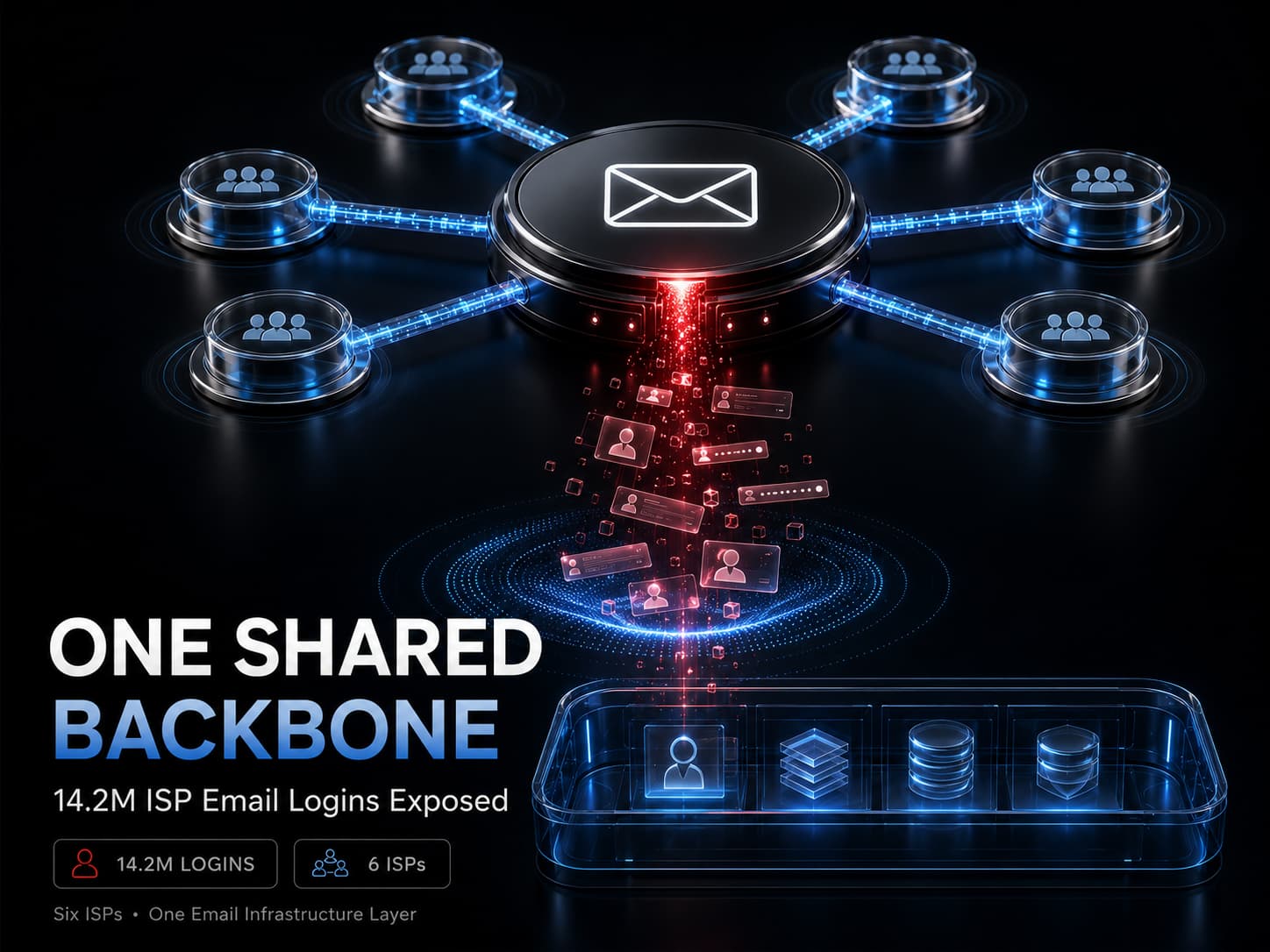
The incident demonstrates how an organization can suffer a significant data exposure without attackers breaching its primary infrastructure. Teqtivity confirmed that an unauthorized party accessed an Amazon Web Services backup server containing company code and customer-related files.
As a result, information connected with Uber’s workforce and technology inventory became accessible to the attacker. The affected Teqtivity records included:
- Employee names and corporate email addresses
- Work location information
- Device serial numbers
- Hardware manufacturers and models
- Technical specifications associated with managed equipment
Notably, Teqtivity said it did not store highly sensitive categories such as banking information or government identification numbers in the affected system. Moreover, later regulatory documentation concerning Uber London stated that no London driver or passenger information was compromised in this particular incident.
More Than 77,000 Employee Records Raised Phishing Concerns
The leak attracted attention because of its scale and operational value. According to reporting at the time, one exposed document contained corporate email addresses and Windows Active Directory information associated with more than 77,000 Uber employees.
That figure does not necessarily mean every employee suffered the same level of data exposure. Nevertheless, a large directory of verified corporate identities can become useful to attackers even without passwords.
For example, criminals could combine an employee’s name, email address, location, and technical details to create convincing phishing messages. Consequently, a fake support request could appear more legitimate because the attacker already knows which company the employee works for and potentially which devices they use.
This type of information can support several attack methods:
- Highly personalized phishing campaigns
- Fake IT support messages
- Credential-stealing login pages
- Business email impersonation
- Social-engineering attempts against specific teams
Moreover, knowledge of internal naming conventions or domain login identifiers can make fraudulent requests appear more authentic. Therefore, corporate metadata should not be dismissed simply because it lacks payment information or passwords.
BleepingComputer also reported that files described as source code appeared in the leak. However, Uber said its review indicated that the code belonged to Teqtivity and had been created to support services provided to Uber. That distinction matters because the incident was initially easy to interpret as another direct intrusion into Uber.
Claims of a Direct Uber Hack Were Not Supported by Uber’s Investigation
The leaked material appeared online under the name “UberLeaks.” Forum posts reportedly claimed access to systems associated with Uber, Uber Eats, Teqtivity, and other services.
However, the public claims were broader than what Uber confirmed.
Uber stated that it had not identified malicious access to its internal systems related to the Teqtivity incident. In addition, the company said the December exposure was separate from the major security breach it experienced in September 2022.
That earlier September attack involved unauthorized access to several internal Uber systems. Therefore, when new files appeared only months later, initial speculation linked the two events.
Investigators eventually identified a different path. Teqtivity’s compromised backup infrastructure provided the source of the newly leaked Uber-related records.
Also mentioned were some forum posts involving individuals belonging to the Lapsus$ criminal hacking organization. Despite this, Uber said that Lapsus$ was not behind the breach of Teqtivity. Thus, the identities and affiliations mentioned in underground forums must be viewed as distinct from those confirmed by the affected parties.
Such a distinction points to one of the difficulties with reporting breaches. Hackers often inflate their claims of access, ownership, and technical prowess. In this way, misleading claims early on can paint a picture of compromise where one may not have occurred.
The Teqtivity Incident Shows Why Vendor Security Matters
The Uber–Teqtivity breach illustrates a wider cybersecurity problem: businesses increasingly depend on external platforms that hold valuable operational data.
Asset-management providers are especially important because their systems may contain detailed inventories of corporate technology. While that information supports everyday IT operations, it can also reveal useful intelligence to an attacker.
For example, device models and technical specifications may help criminals understand an organization’s hardware environment. Employee directories can support impersonation campaigns. Moreover, work-location information can make social-engineering messages more convincing.
The security boundary of a large company should thus extend to systems that do not necessarily belong to the firm directly.
Teqtivity reported that it informed customers about the incident, contacted the authorities, and involved third-party forensic specialists following discovery of the attack. The company also involved security experts to test its systems. Current security material by Teqtivity mentions such practices as encryption, network segmentation, penetration testing, cloud security tools, and incident response procedures.
This breach thus presents a great illustration of why backup infrastructure needs to be secured to the same extent as the rest of the system. Backup systems contain historical and configuration information that is extensive. Compromising backup system thus may lead to information exposure even if the attacker does not access the corporate network of the customer.
For companies working extensively with software vendors, this incident serves as an excellent reminder that third-party access leads to third-party risks. In addition, information that seems unremarkable in isolation becomes extremely valuable when attackers combine several information points to launch an attack.
Conclusion: A Vendor Backup Exposed Uber Records
In December 2022, an attacker gained access to a Teqtivity backup server and exposed Uber workforce and device records. The vendor used those records to track corporate equipment. Once a supplier holds a copy of employee and equipment records, its backup permissions help determine who can reach that data.
The initial route into the server remains unclear. Even so, the exposure raises a specific question for any company that outsources asset management. Can the supplier show who could read or export the backup, and what those accounts actually accessed?
Why This Threat Matters
- Backup retention extends exposure. Older copies can still hold records after the supplier removes them from the live application.
- Inventory can make impersonation convincing. For example, a fake support message can cite a real device model when asking an employee to sign in.
- Restores can create another copy. When a supplier restores records into a test environment, the destination needs its own access controls.
- The supplier holds evidence the customer may need. Without the vendor’s access logs, responders may struggle to determine which files an intruder opened or copied.
Where Defensive Control Must Operate
Suppliers should limit who can read, restore, or export backups and review those permissions separately from access to the live service. In addition, they should log those actions where the backup platform supports it. During a review, customers can ask suppliers to demonstrate those controls and show how quickly they can retrieve the logs.
If exposed records later inform a phishing attempt, Xcitium Cyber Awareness Education helps employees recognize impersonation and credential requests. A practical response is to verify an unexpected equipment request through the established help desk. Teams can also use Phishing Simulation to rehearse a fake device replacement email and measure who clicks or reports it.
Review What the Supplier Keeps
At contract renewal, compare the fields in the supplier’s backups with what the service needs today. When a field no longer serves the workflow, agree on when the supplier will stop collecting it and when older copies will expire. That gives both parties a date to verify that the change reached the backups.